Palmita: A Modern Script Font for Web Design
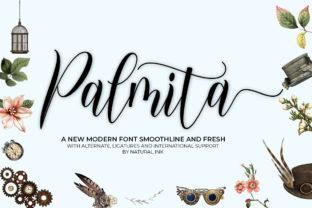
In the fast-paced world of digital product creation, typography is often the deciding factor between a generic interface and a memorable brand experience. As web designers and UI specialists, we constantly search for typefaces that balance personality with performance. Palmita emerges as a standout choice in the realm of Script Amp fonts, offering a joyful and modern calligraphy style that brings an incredibly romantic flow to digital layouts. Unlike many decorative scripts that sacrifice legibility for flair, Palmita is bouncy, beautiful, and flexible, making it highly recommended for wedding crafts as well as projects that require a distinct human touch on screen.
When integrating a script font into a website or landing page, the primary concern is usually visual hierarchy. Palmita excels here because its stroke contrast and open counters ensure it remains readable even at smaller sizes, provided it is used strategically. This font is not designed for long-form body copy; instead, it shines in hero sections, navigation bars, and call-to-action areas where emotional connection drives conversion. The natural rhythm of the letterforms guides the user's eye smoothly across the screen, creating a sense of movement that static sans serif fonts often lack.
Elevating Brand Identity Through Digital Typography
A strong online identity relies on consistency, and Palmita provides a versatile foundation for brands looking to project warmth and approachability. For boutique online stores, coaching websites, or creative portfolios, this typeface acts as a digital handshake. It signals to the visitor that the brand values aesthetics and attention to detail. When used in logo design or as a primary display font for headers, Palmita establishes an editorial feel that elevates the perceived value of the product or service.
The "romantic flow" mentioned in its description translates beautifully to mobile interfaces. In responsive web design, script fonts can sometimes break or become illegible on narrow viewports. However, the flexible nature of Palmita allows it to adapt well to various screen widths. Whether you are designing a course sales page or a portfolio site, using Palmita for section headings creates a clear separation between content blocks without needing heavy dividers or excessive whitespace. This improves scanning behavior, allowing users to find information quickly while enjoying a visually rich experience.
Strategic Placement for Maximum Impact
To get the most out of Palmita in your web projects, consider its specific strengths in different layout contexts:
- Hero Sections: Use Palmita for the main headline to immediately set an emotional tone. Pair it with a clean, geometric sans serif for the subheadline to maintain balance.
- Call-to-Action Buttons: Short phrases like "Join Us" or "Shop Now" gain a personal touch when rendered in this script, potentially increasing click-through rates by feeling less corporate.
- Testimonials and Quotes: Highlighting customer feedback in Palmita adds authenticity, making the endorsement feel like a handwritten note rather than a database entry.
- Social Media Graphics: Extend your brand identity beyond the website by using Palmita in banners and stories, ensuring a cohesive look across all digital touchpoints.
It is crucial to remember that while Palmita is a powerful tool, it works best when supported by a robust typographic system. For body text, always pair this handwritten font with a highly readable sans serif or a neutral serif font. This contrast prevents visual fatigue and ensures that the decorative elements do not overwhelm the core message. For instance, a SaaS founder might use Palmita for feature highlights on a landing page while keeping the detailed specifications in a crisp, modern sans serif.
Readability and Technical Considerations
Implementing any premium font requires careful attention to technical details, especially regarding webfonts and file formats. When loading Palmita on a website, ensure you are using optimized webfont files (such as WOFF2) to minimize load times. Slow-loading fonts can lead to layout shifts, which negatively impact user experience and SEO rankings. Additionally, check the included styles and alternates. Many modern script fonts come with contextual alternates that prevent repetitive letter combinations, enhancing the natural, hand-lettered look. Utilizing these features in your CSS can make the difference between a font that looks automated and one that feels truly organic.
Color contrast is another vital factor. Because script fonts rely on thin strokes and delicate connections, they can disappear against busy backgrounds or low-contrast color schemes. When using Palmita over image overlays, apply a solid backing or a strong drop shadow to ensure the text pops. On dark backgrounds, increase the font weight or size slightly to maintain visibility. For light backgrounds, ensure the ink color is deep enough to provide sufficient contrast ratio, adhering to accessibility standards (WCAG) so that all users, including those with visual impairments, can engage with your content.
Licensing and Commercial Usage
Before deploying Palmita in client projects or commercial products, it is essential to review the licensing terms. As a commercial font, it typically requires a specific license for web embedding, especially if the site has high traffic or is part of a larger digital product suite. Ensure your license covers usage in online stores, landing pages, digital templates, and brand assets. Ignoring these details can lead to legal complications down the line. Always verify if the license includes multilingual support if you are targeting a global audience, as this expands the reach of your design work.
In conclusion, Palmita represents more than just a stylish addition to your font library; it is a strategic asset for building engaging, conversion-focused layouts. Its ability to convey joy and romance while maintaining modern flexibility makes it an ideal choice for designers who want to infuse humanity into their digital creations. By understanding its limitations and leveraging its strengths in visual hierarchy and brand tone, you can create web experiences that resonate deeply with users. Whether you are crafting a wedding invitation site or a high-end product launch page, Palmita offers the perfect blend of artistry and utility to bring your vision to life.